Nylon rope is commonly used in shibari, the Japanese art of rope bondage, due to its durability, smooth texture, and ease of maintenance. It is a synthetic fiber that offers high tensile strength, making it reliable for creating secure ties. Unlike natural fibers such as jute or hemp, nylon rope tends to have a slick surface, which allows for easier adjustments and less friction on the skin.
Pros of Nylon Rope in Shibari:
Strength and Durability: Nylon ropes can withstand significant tension without breaking.
Smooth Texture: Its slick surface reduces skin irritation and allows for quick tightening or loosening of knots.
Weather Resistance: Nylon is resistant to moisture and doesn’t rot, making it easy to clean and maintain.
Variety of Colors and Sizes: Nylon ropes come in many colors and diameters, allowing for customization based on aesthetic preference or functional need.
Cons of Nylon Rope in Shibari:
Slipperiness: Its slick surface can sometimes cause knots to slip if not tied properly.
Less Traditional: Nylon lacks the natural feel and aroma of traditional jute or hemp ropes, which some practitioners value for authenticity.
Heat Sensitivity: Nylon can melt or become damaged if exposed to flame or extreme heat.
When using nylon rope for shibari, it is important to select an appropriate diameter (typically 6 mm) and length (often in the 15-30 foot range) to suit the type of ties being performed. Proper knotting techniques and safety considerations should always be observed to prevent injury. Overall, nylon rope is a practical and accessible option for both beginners and experienced practitioners of shibari.

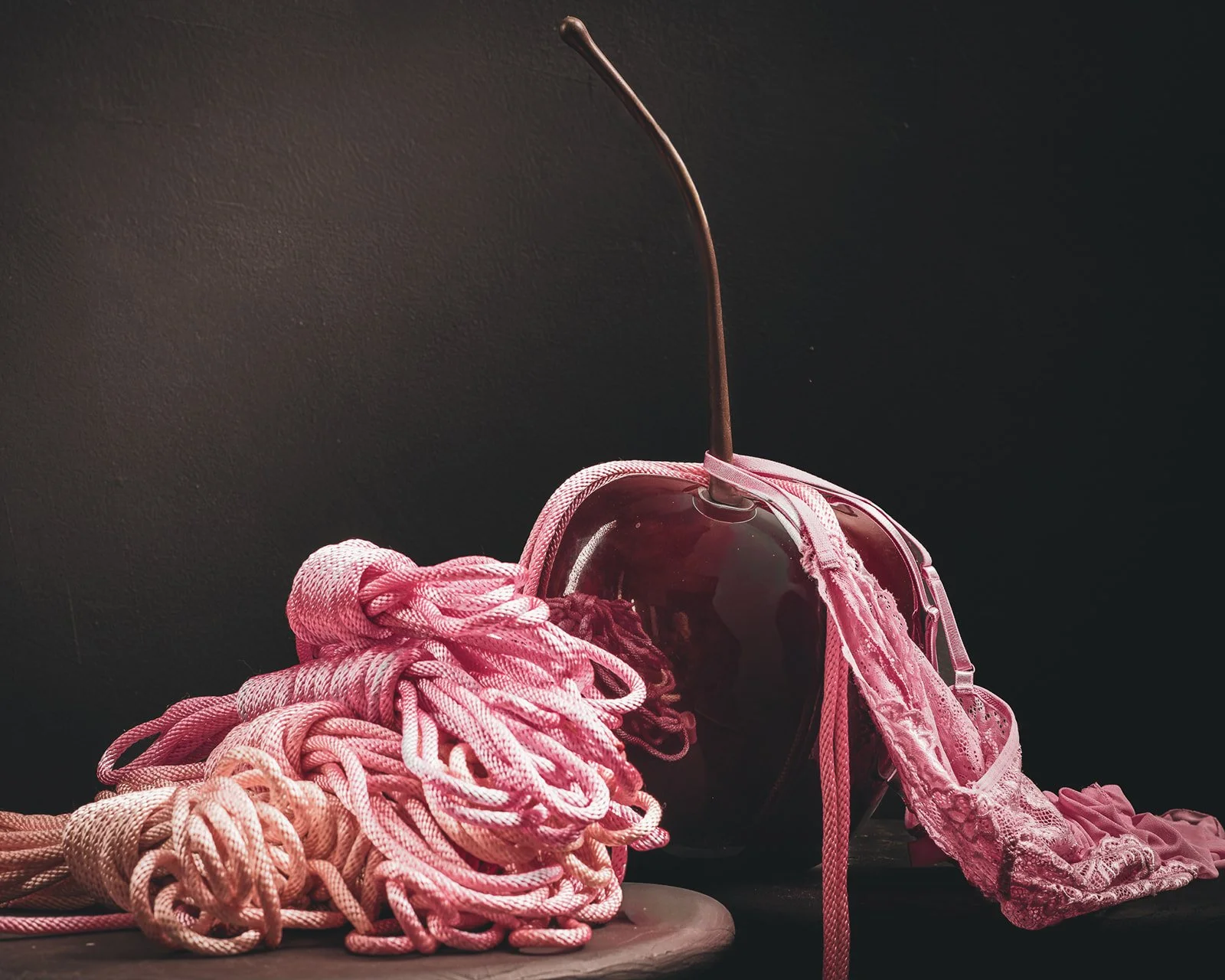 Image 1 of 9
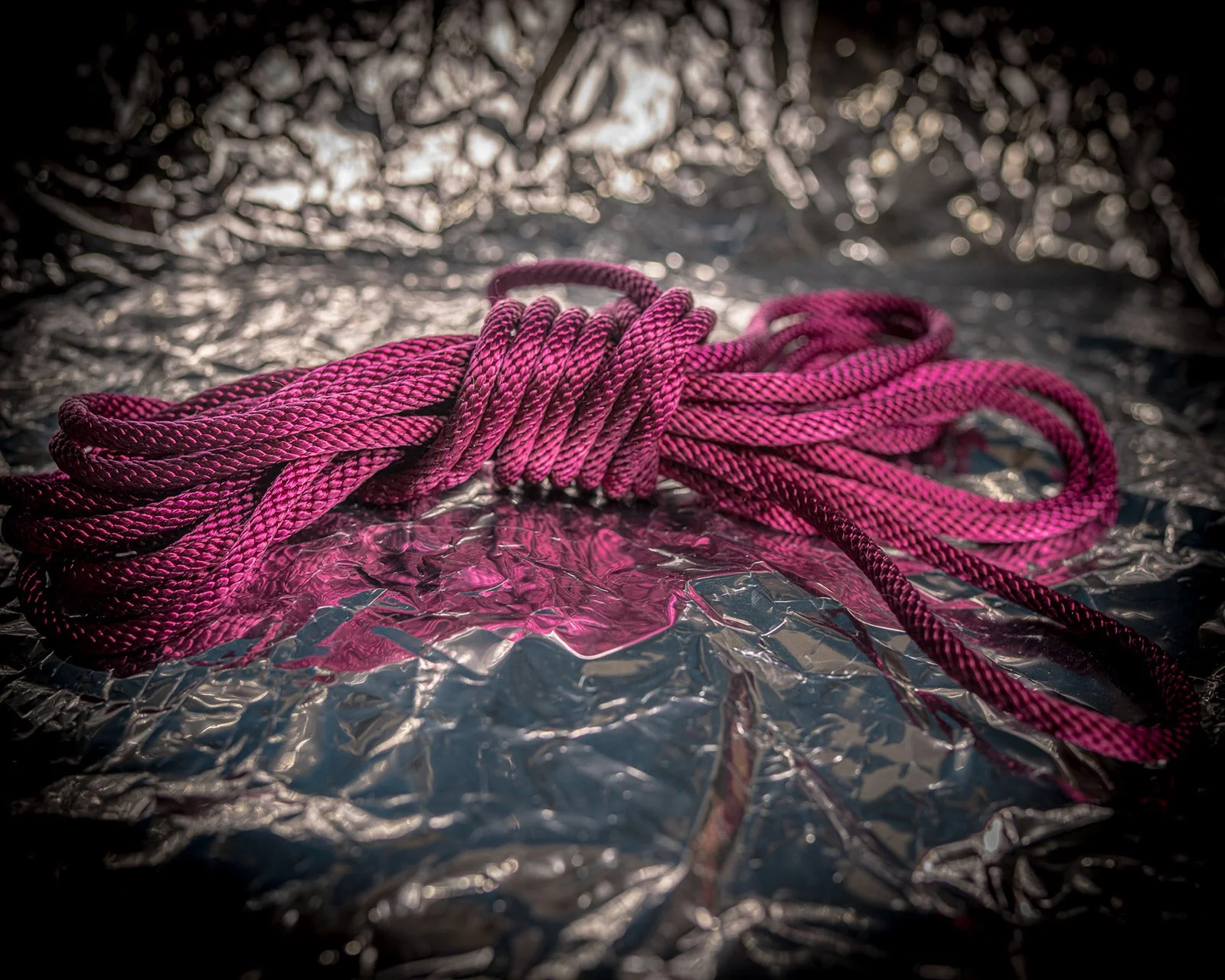 Image 2 of 9
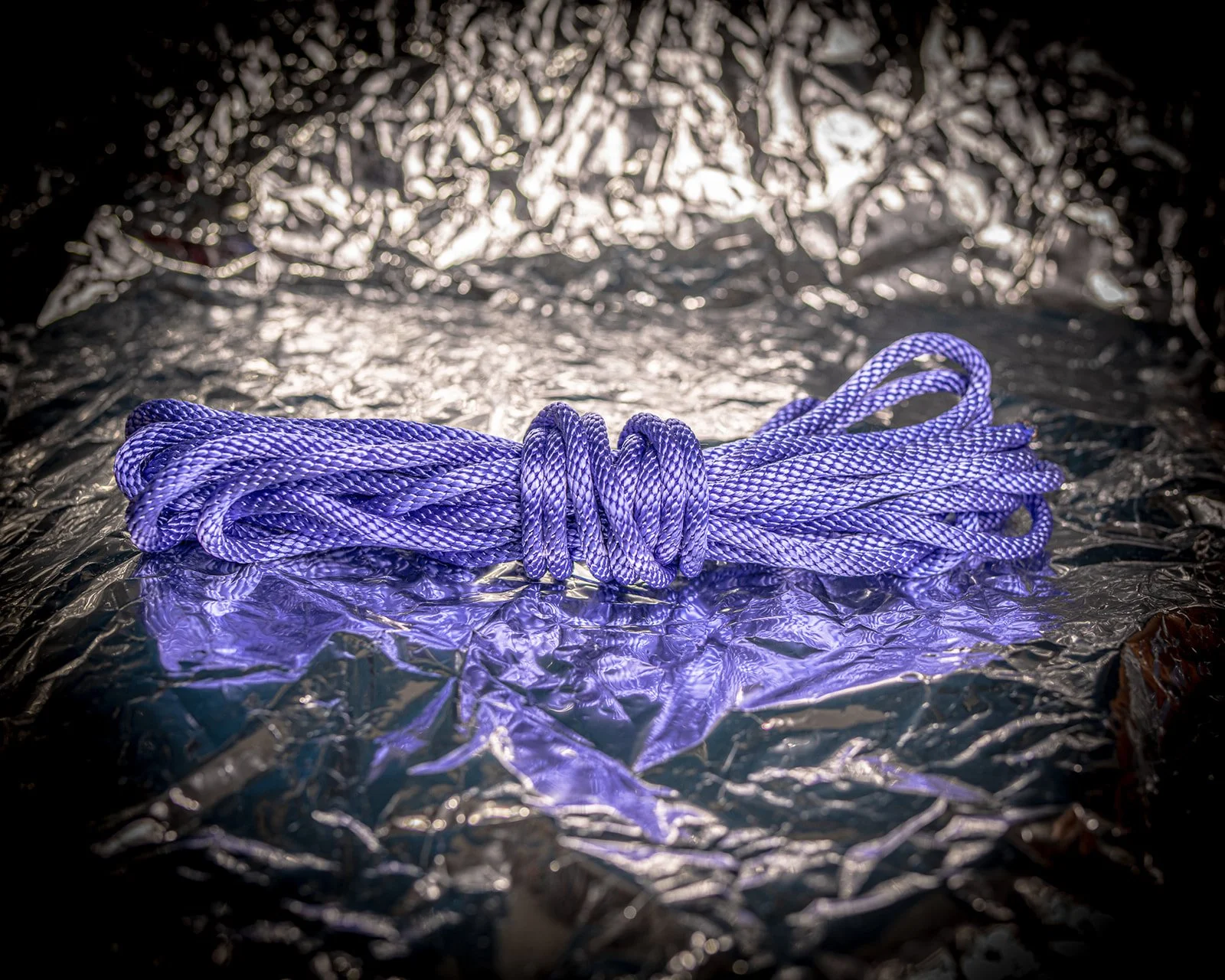 Image 3 of 9
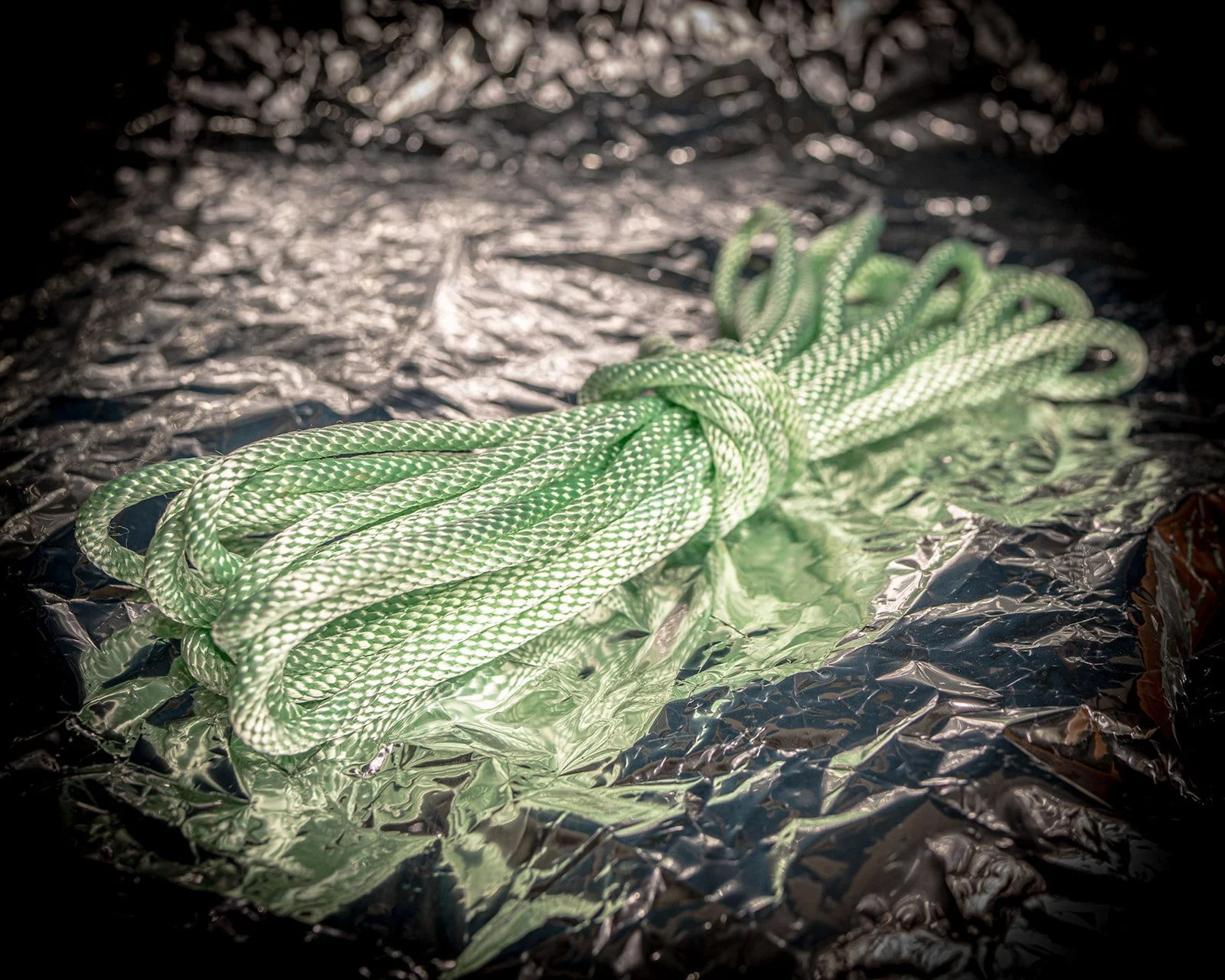 Image 4 of 9
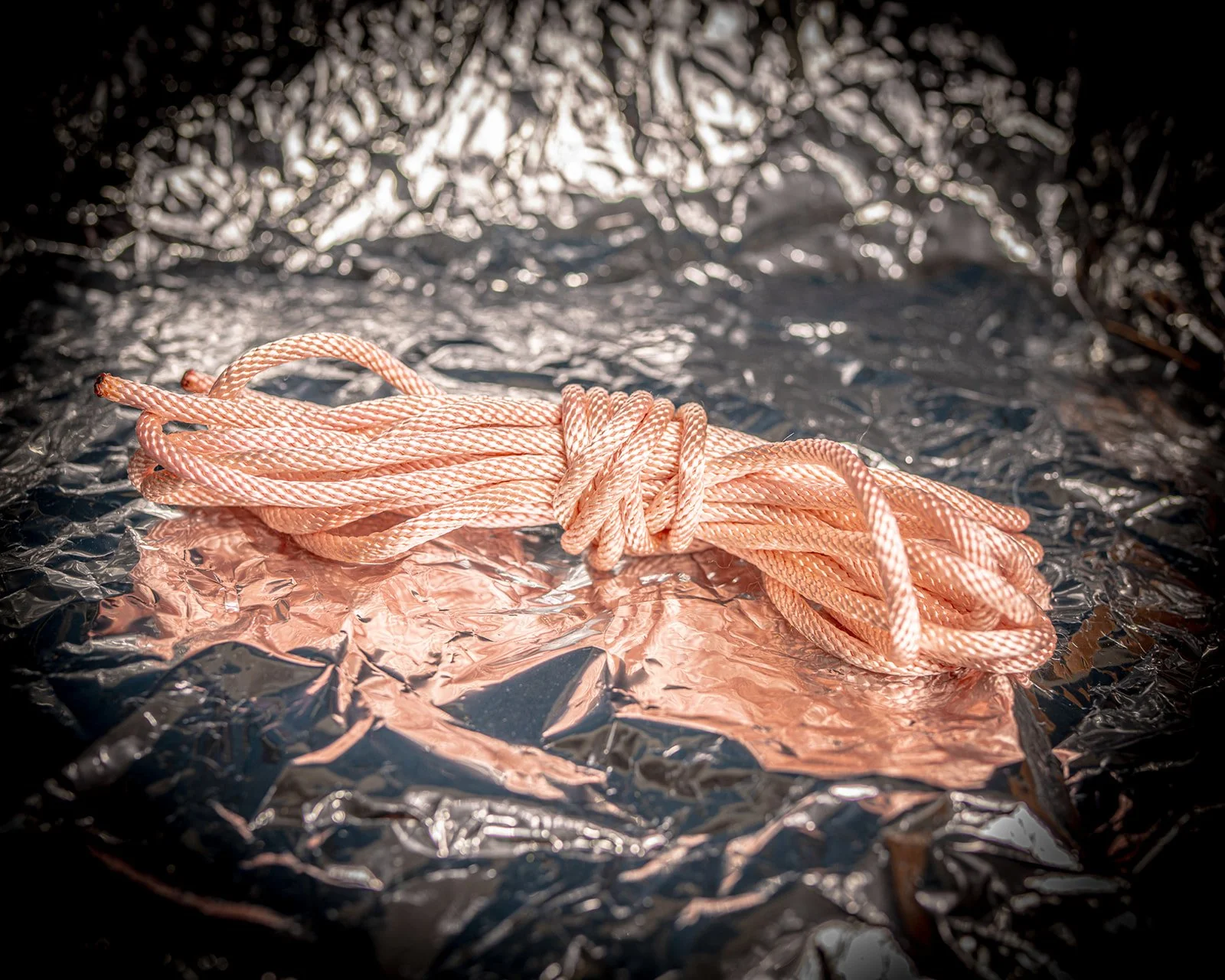 Image 5 of 9
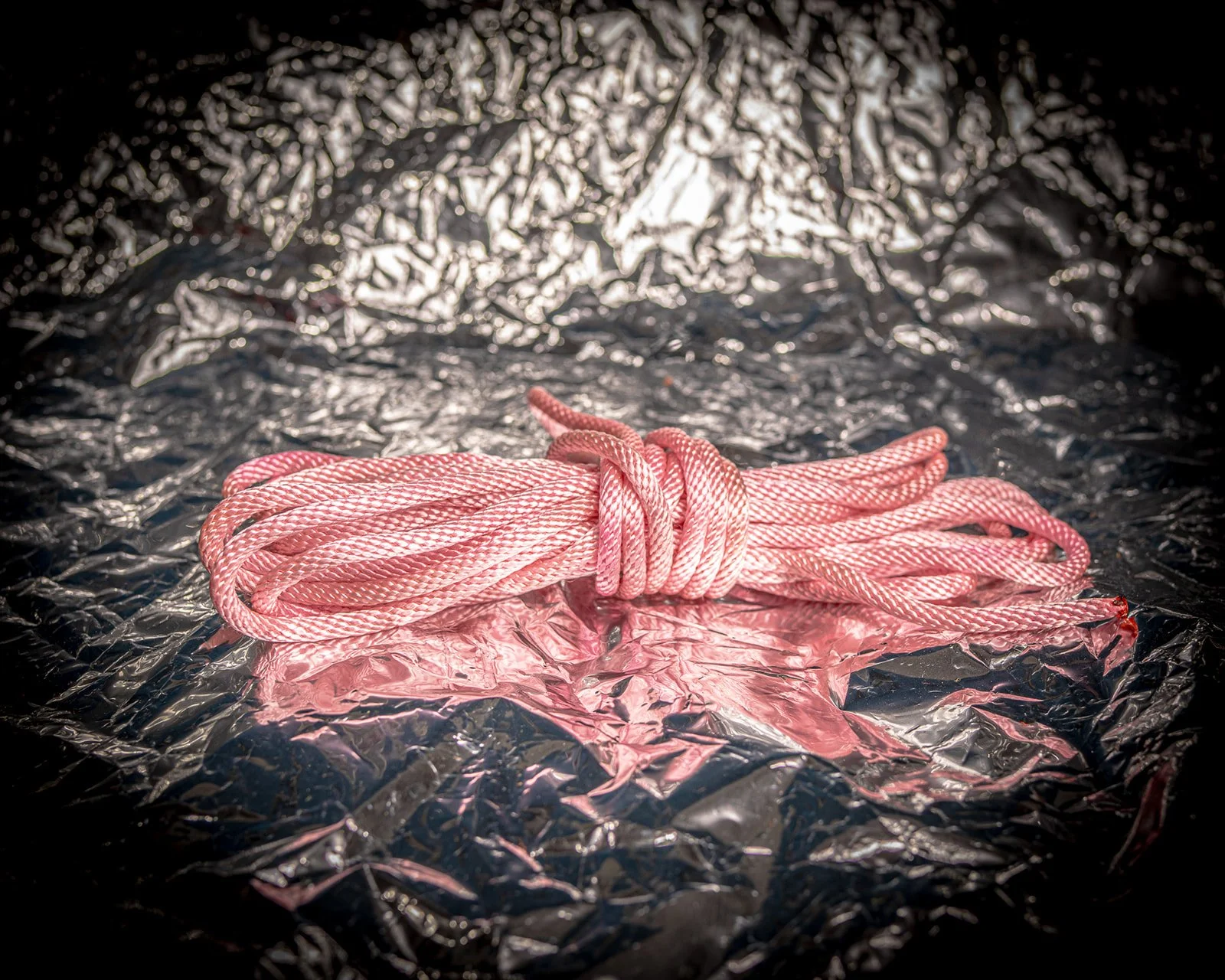 Image 6 of 9
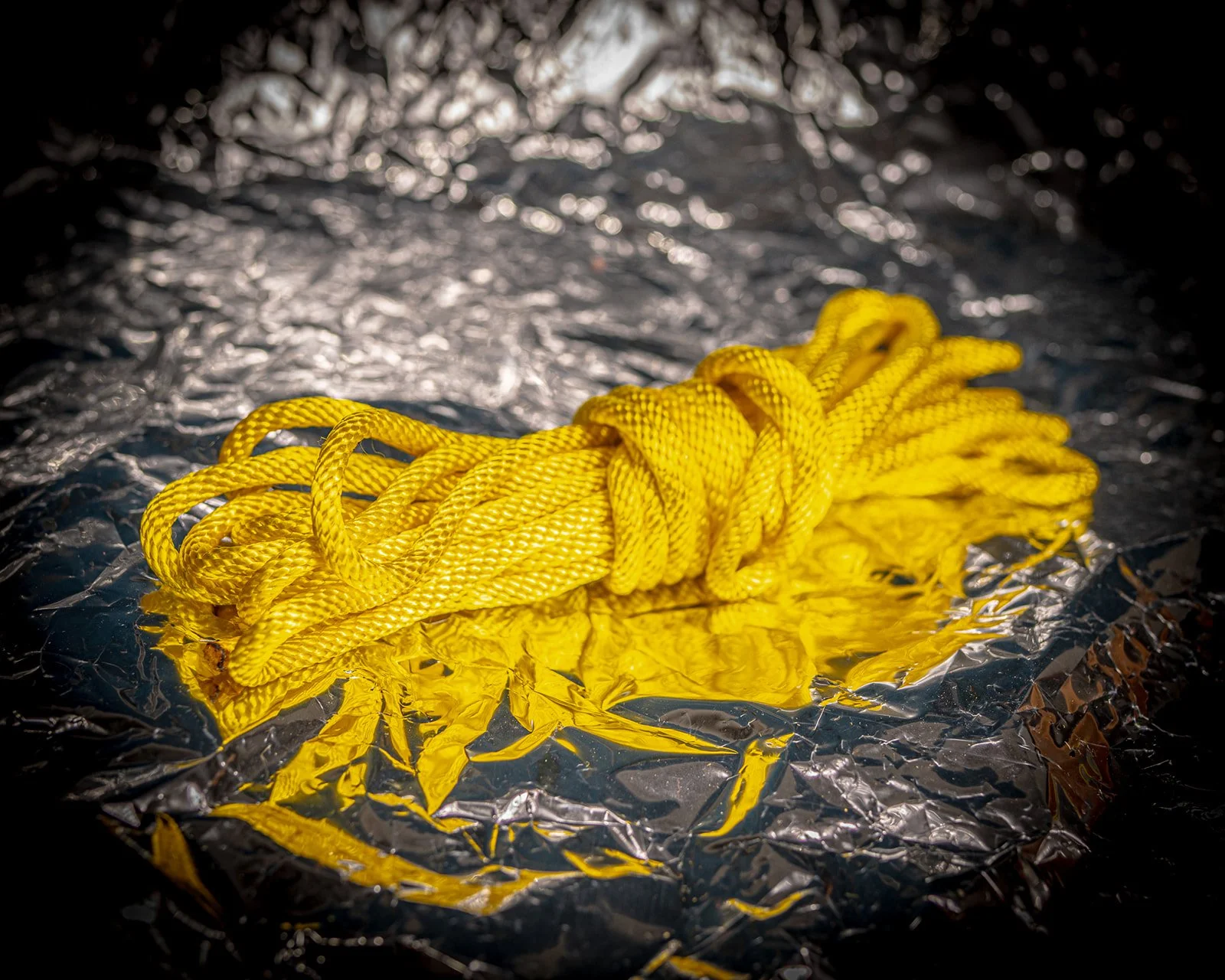 Image 7 of 9
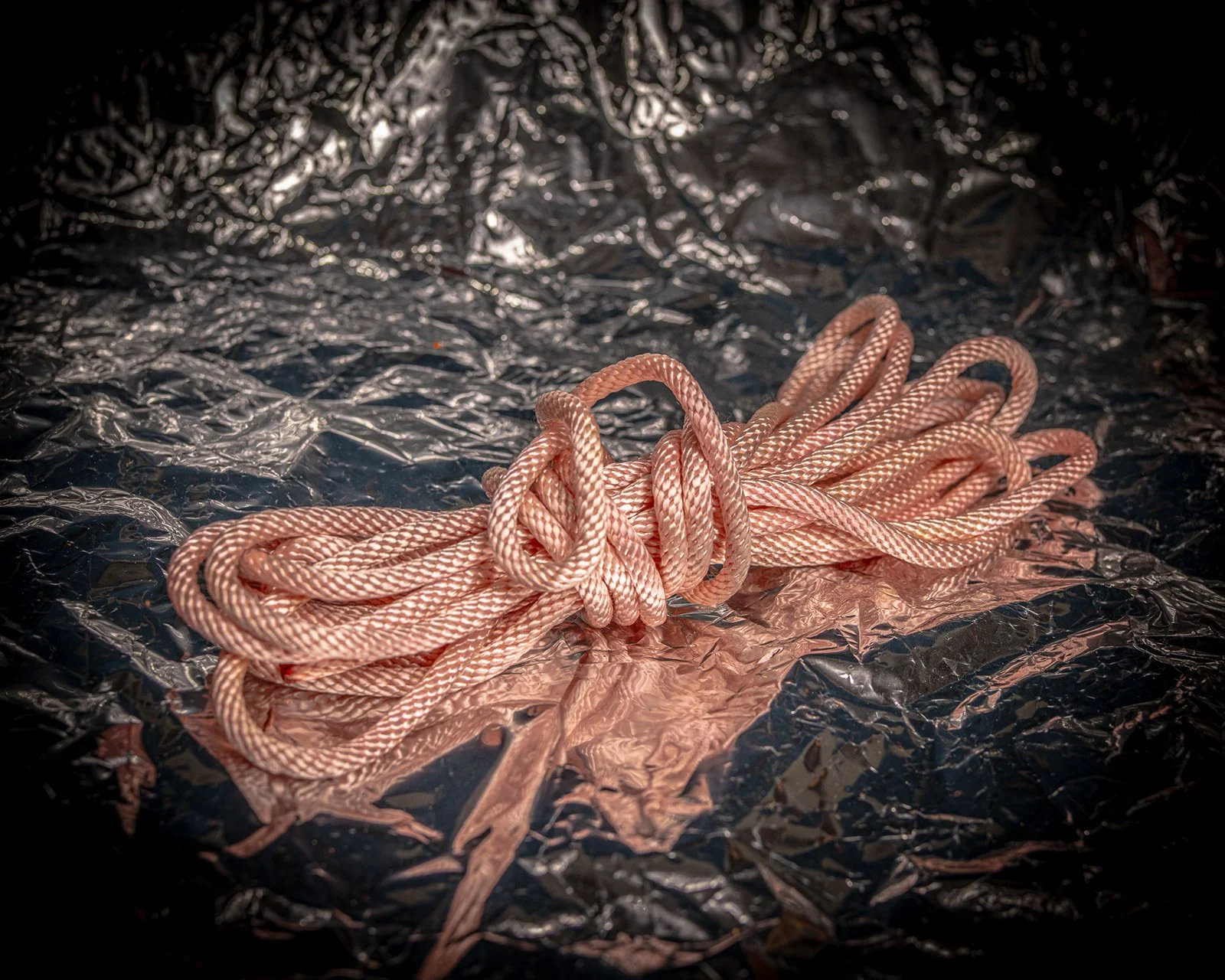 Image 8 of 9
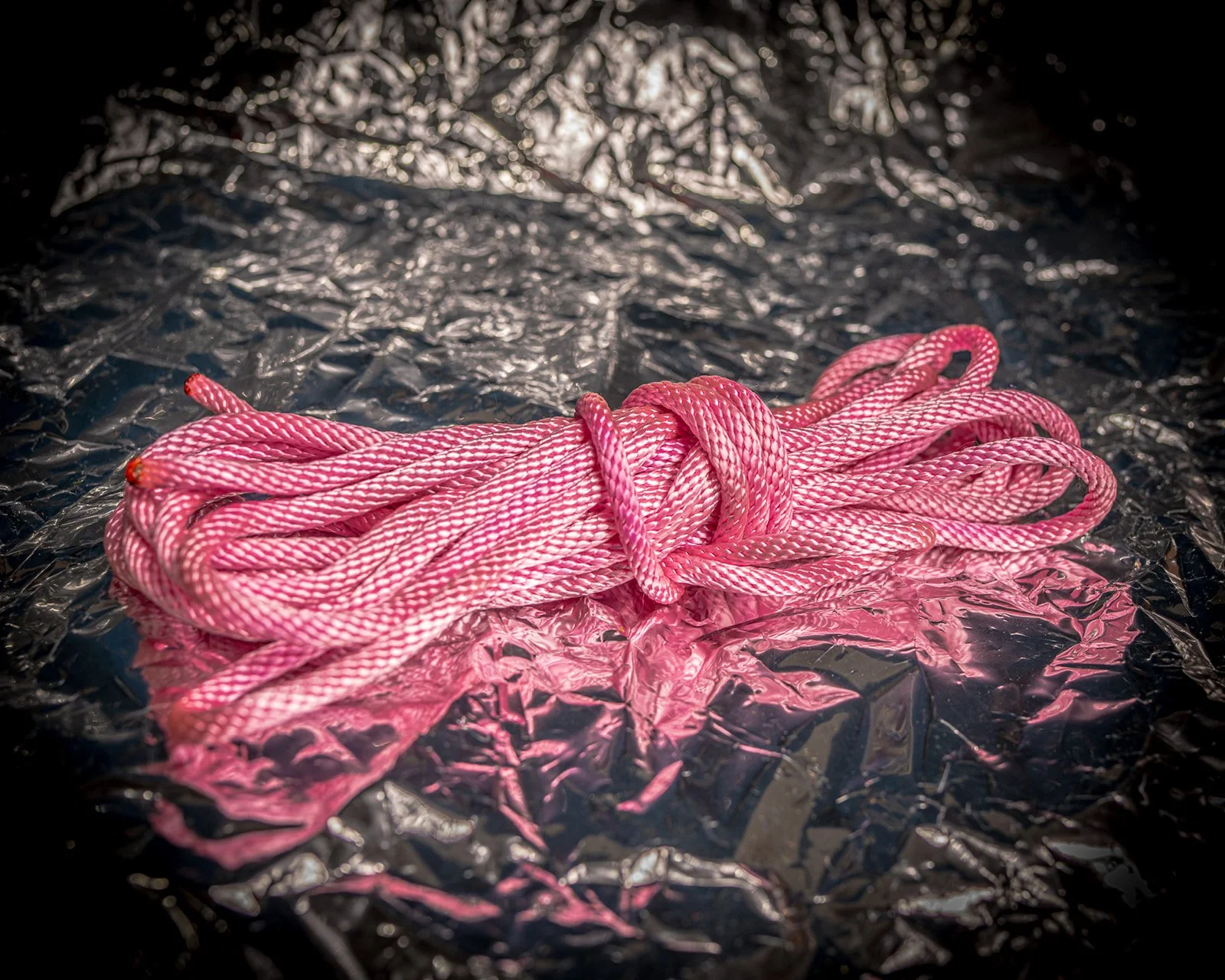 Image 9 of 9