Hemp rope is commonly used in shibari due to its strength, durability, and natural texture. Its firmness allows for secure ties while maintaining enough flexibility to create intricate patterns and knots. Hemp rope also has a slightly rough surface, which provides good friction, making it less likely to slip during use. Additionally, hemp is breathable and less likely to cause excessive sweating compared to synthetic ropes. Its natural fibers tend to soften over time with use and proper care, enhancing comfort for both the person tying and the one being tied. Overall, hemp rope is favored in shibari for its balance of reliability, safety, and aesthetic appeal.
Pros
Great tooth holds friction knots well
Holds tension well
Cons
Can cause grass allergies to flare
can be difficult to clean

 Image 1 of 7
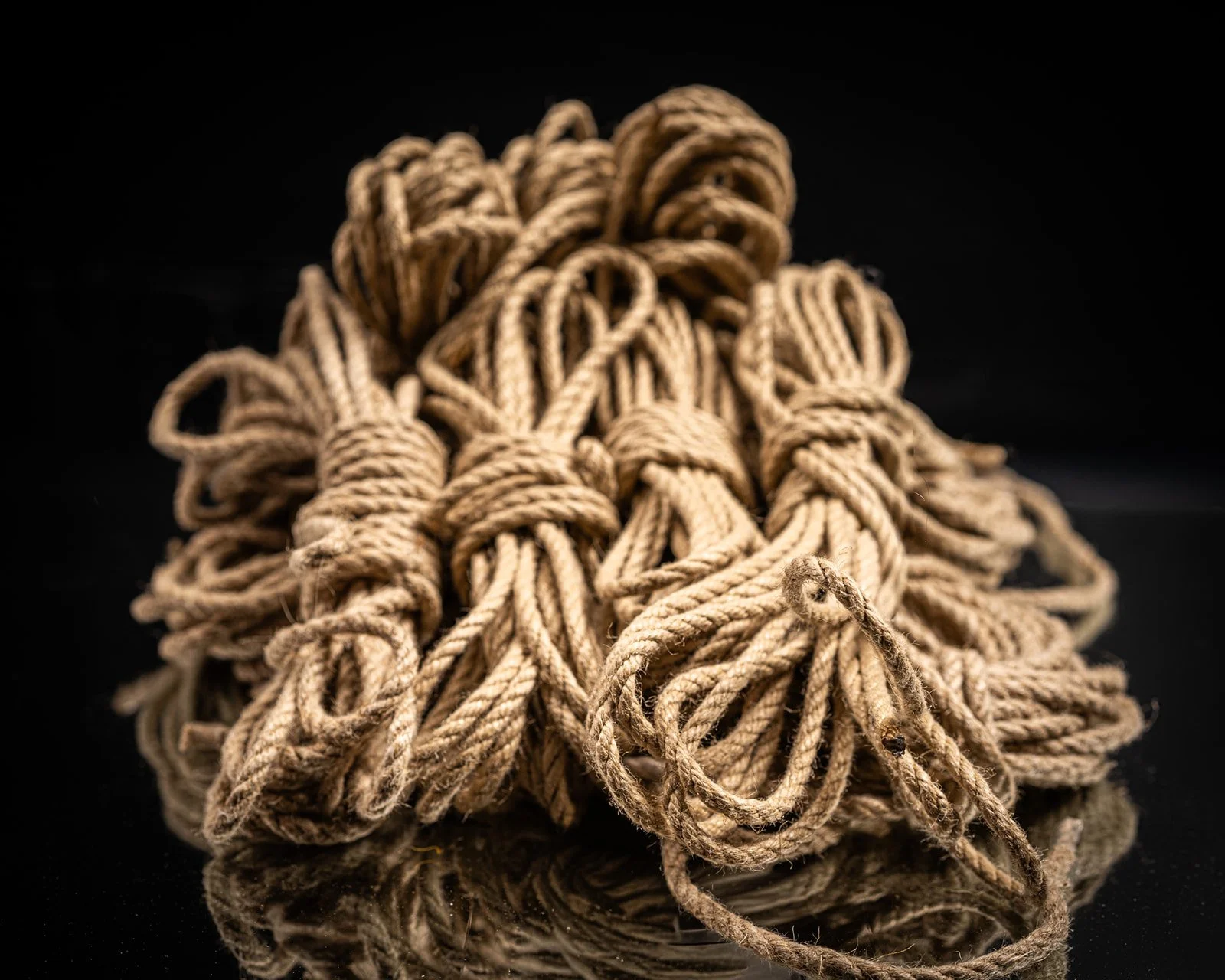 Image 2 of 7
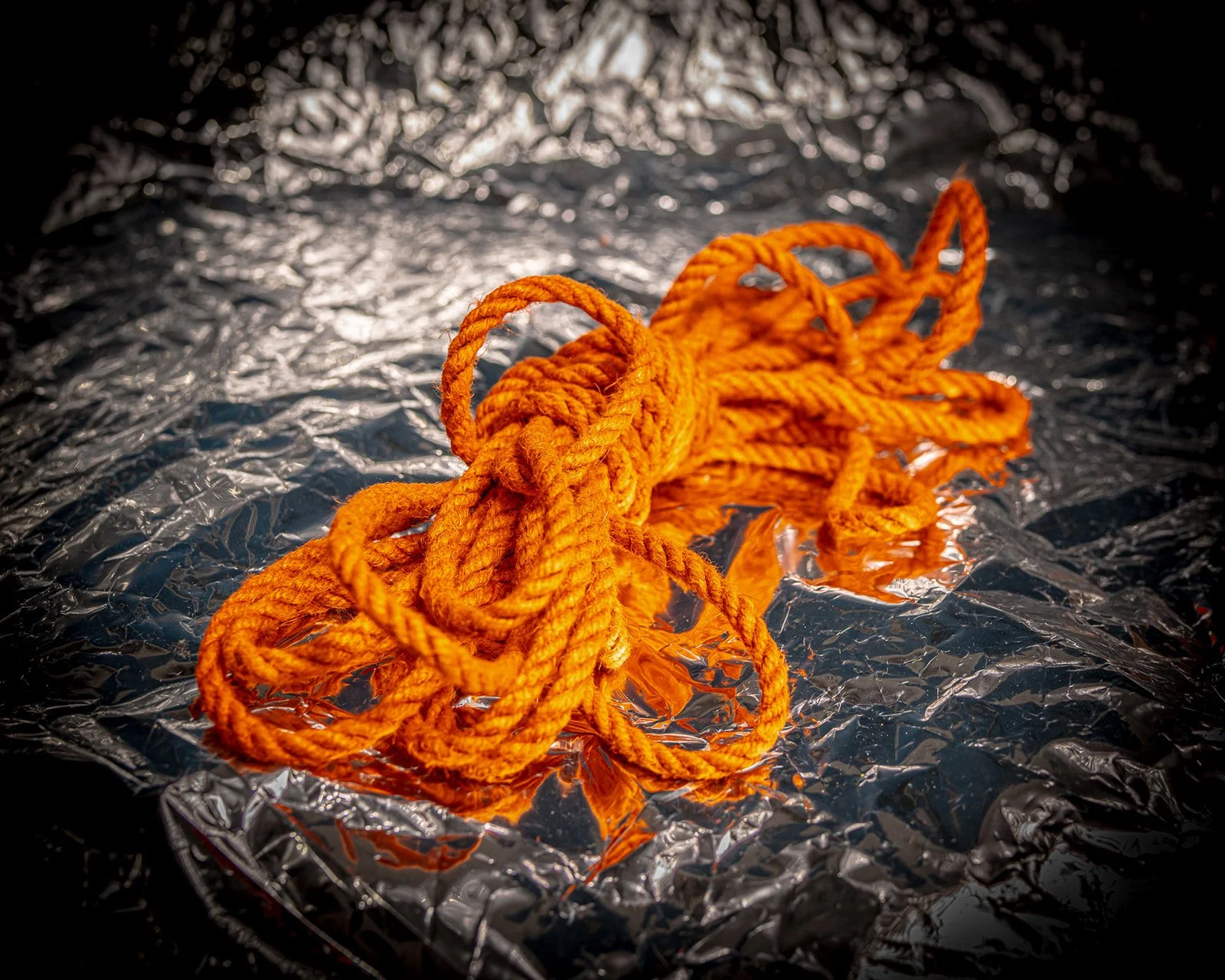 Image 3 of 7
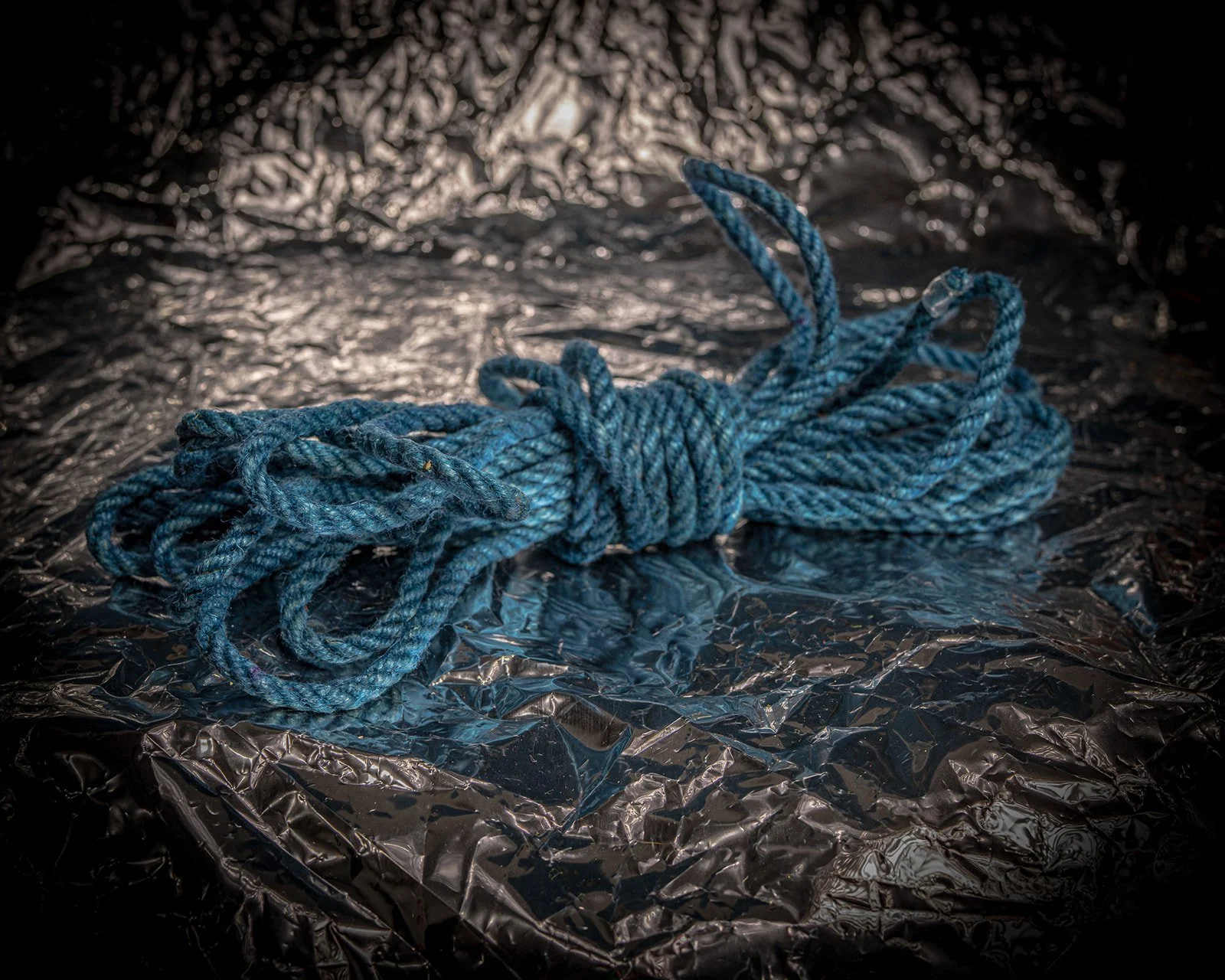 Image 4 of 7
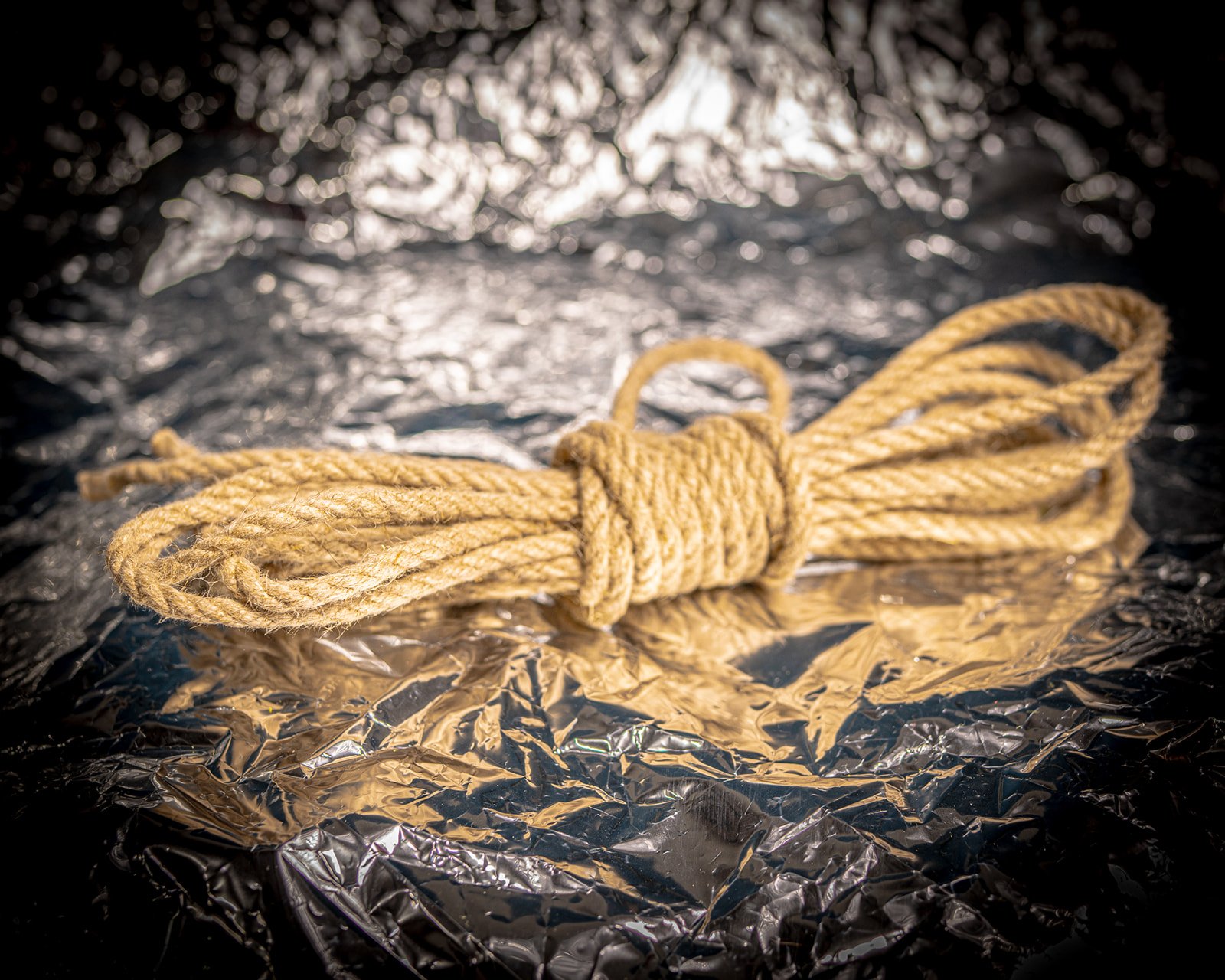 Image 5 of 7
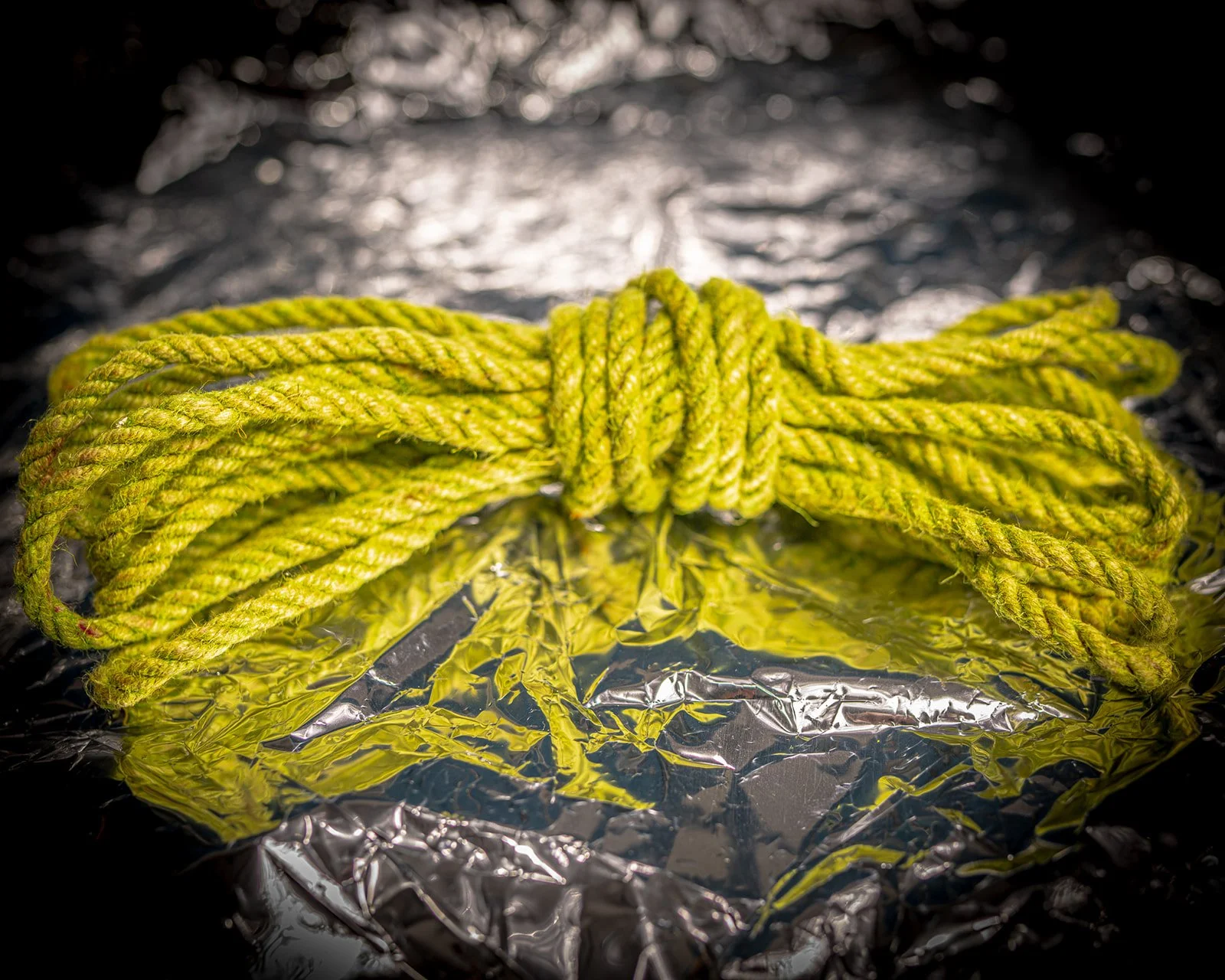 Image 6 of 7
 Image 7 of 7